Compare Local Contractors for Effective Water Pooling Prevention
Compare local contractors for water pooling prevention to define scope, verify experience, and set clear expectations for effective property solutions.
Water pooling prevention projects typically involve assessing a property's terrain and drainage patterns to identify areas where excess water may collect. Contractors in this field often perform site evaluations, recommend grading adjustments, and install drainage systems such as French drains, swales, or catch basins. The goal is to redirect water away from foundations, walkways, and other vulnerable areas, reducing the risk of damage and creating a safer, more functional outdoor space. Proper planning and execution are essential to ensure that the solutions are effective and tailored to the specific conditions of each property.
Defining the scope of work is a critical step when working with contractors for water pooling prevention. Clear communication about what needs to be addressed helps prevent misunderstandings and ensures that the project meets expectations. Property owners should specify whether the work involves grading adjustments, installation of drainage systems, or both. Outlining the desired outcomes in writing can also help establish a shared understanding of the project's extent, which is important for managing expectations and verifying that the selected contractor has relevant experience in similar projects.
When comparing local contractors, property owners should consider their experience with water pooling prevention projects in similar settings. It’s helpful to review their portfolio or ask for references to gauge their familiarity with the types of drainage solutions needed. Verifying that contractors understand the scope of work and can provide detailed proposals in writing allows for better comparison. Additionally, checking for local service providers who are familiar with the area's common drainage challenges can lead to more effective solutions. Using these criteria can help property owners find experienced, capable contractors suited to their specific needs.
Compare local contractors by outlining project priorities, verifying experience, and setting clear expectations in writing.
- Compare Contractor Experience - Review the background and project history of local contractors to ensure they have relevant experience in water pooling prevention.
- Define Project Scope Clearly - Establish specific tasks and responsibilities in writing to set clear expectations for the work.
- Verify Credentials and References - Check references and verify the reputation of service providers before making a selection.
- Request Written Agreements - Obtain detailed written agreements outlining the scope of work, responsibilities, and any warranties or guarantees.
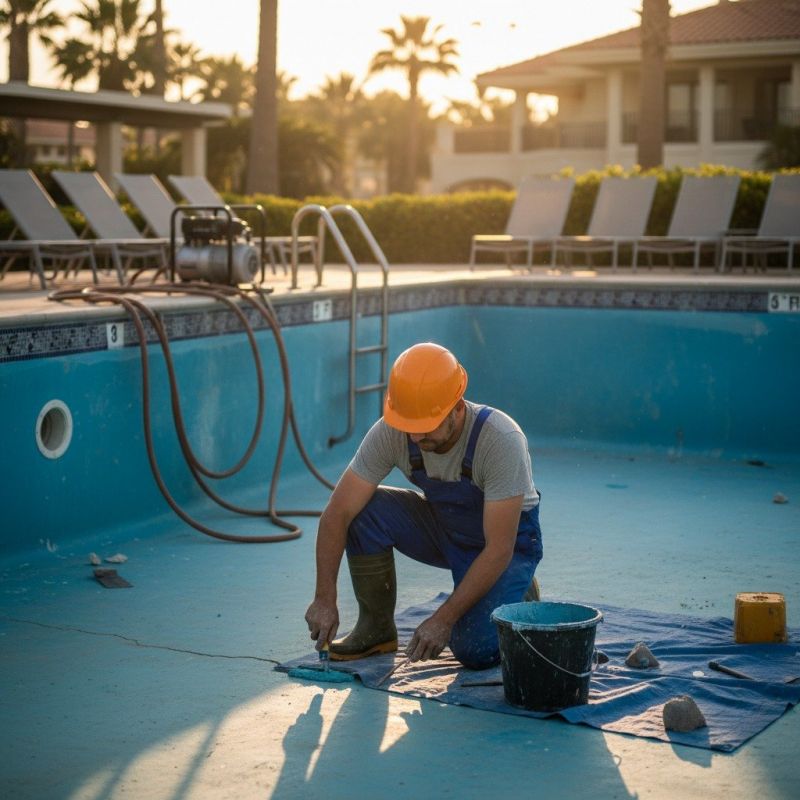
Compare local contractors by clearly describing your project, defining scope, verifying experience, and setting expectations in writing.
- Assess drainage solutions - ensure contractors evaluate existing terrain and identify effective methods to divert water away from the pool area.
- Verify experience with water management - look for service providers who have a proven track record in preventing water pooling around pools and related structures.
- Define scope of work clearly - confirm contractors specify the measures they will implement to prevent water accumulation and address potential problem areas.
- Request detailed project plans - ensure plans include site assessments, drainage installation, grading, and any necessary modifications to surrounding landscaping.
- Check references or reviews - gather feedback on past projects related to water management to evaluate contractor reliability and effectiveness.
- Confirm written agreements - review contracts to ensure scope, responsibilities, and expectations for water pooling prevention are clearly documented.
Compare local contractors' experience, clarify scope, and document expectations to prevent water pooling issues.
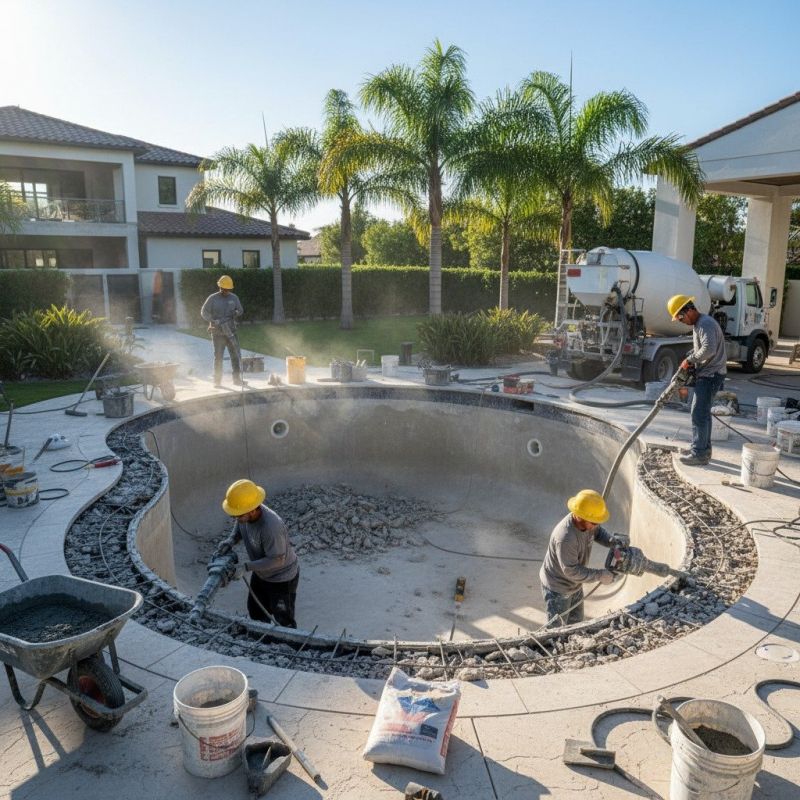
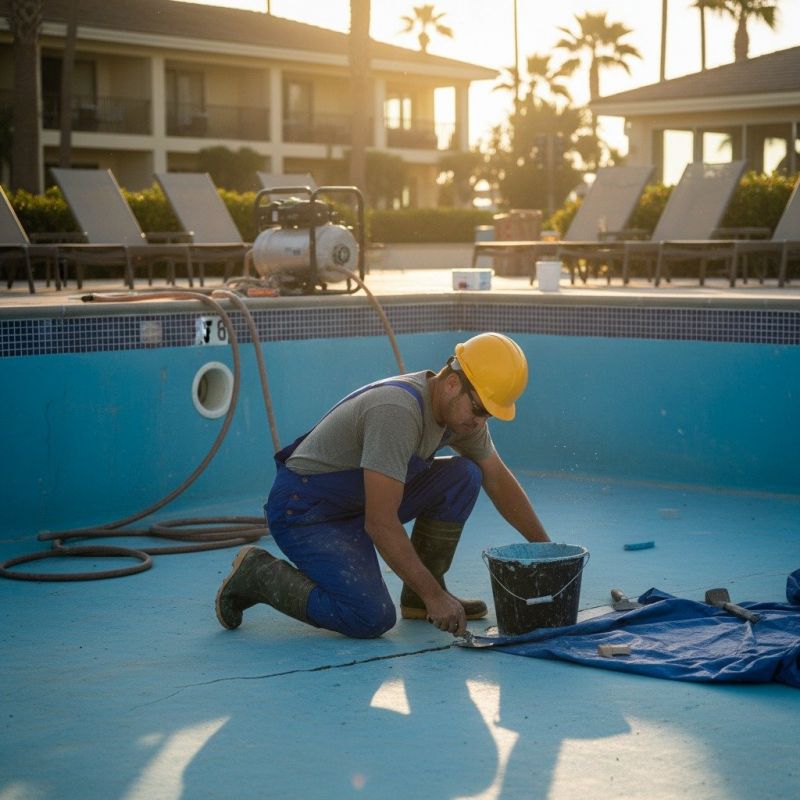
Compare local contractors' scope of work, verify their experience, and clearly define expectations to ensure consistency.
- Identify scope requirements - clearly define the specific areas and methods for water pooling prevention to ensure comprehensive coverage.
- Verify contractor experience - confirm that local contractors have relevant experience with water drainage and pooling mitigation techniques.
- Assess method approaches - review the proposed solutions for water pooling to determine their suitability for the site conditions.
- Establish detailed documentation - ensure all scope details, responsibilities, and expectations are documented in writing before work begins.
- Compare multiple service providers - evaluate different local contractors based on scope clarity, experience, and proposed approaches to select the most appropriate option.
When evaluating contractors for water pooling prevention, it’s important to consider their experience with similar projects. Homeowners should inquire about the types of properties and specific issues the service providers have addressed in the past. A contractor with a history of successfully resolving water accumulation problems in comparable settings is more likely to understand the nuances of the work and deliver effective solutions. Reviewing a contractor’s project portfolio or asking for references related to water pooling issues can provide insight into their familiarity and competence with this specific service.
Clarity in the scope of work is essential when comparing contractors. A detailed, written description of what the project entails helps set clear expectations and minimizes misunderstandings. Homeowners should seek service providers who can articulate the steps involved, the materials or methods to be used, and the desired outcomes. Having a comprehensive scope in writing ensures that both parties are aligned on what will be done, which can contribute to a smoother process and better results.
Verification basics involve confirming that a contractor’s experience aligns with the project’s needs and that they follow established practices for water pooling prevention. Homeowners should ask how the contractor plans to assess the site, identify the causes of water accumulation, and implement solutions. It’s also helpful to understand the methods used to verify the effectiveness of the work, such as drainage testing or site inspections. These verification steps are key indicators of a contractor’s thoroughness and commitment to delivering lasting results.
When comparing options among local service providers, it’s useful to evaluate how each contractor approaches the project without focusing on pricing. Consider their experience, the clarity of their scope, and the verification methods they employ. Ask how they plan to communicate progress and handle any unforeseen issues that might arise. By focusing on these aspects, homeowners can make more informed decisions based on the quality of the proposed approach and the professionalism demonstrated in their explanations, helping to ensure a successful water pooling prevention project.
Ask contractors to provide written scope details to ensure clear expectations and consistent project understanding.
- **Scope of Work Clarification** - What specific water pooling prevention measures do the contractors plan to include?
- **Experience Verification** - How can the experience of local contractors handling similar water pooling issues be effectively compared?
- **Material and Method Differences** - What materials and techniques do different service providers propose for preventing water pooling?
- **Warranty and Follow-up** - What scope of post-service support or warranties are included in each contractor’s proposal?
- **Communication and Expectations** - How will the scope of work and project expectations be clearly documented in writing?
What should I consider when choosing a contractor for water pooling prevention? It's important to compare local contractors based on their experience, methods, and reputation. Clarify the scope of work and ensure all expectations are outlined in writing to avoid misunderstandings.
How can I verify a contractor’s experience with water pooling issues? You can ask for references or examples of past projects related to water pooling prevention. Checking reviews and ratings can also provide insights into their expertise and reliability.
What questions should I ask a contractor during the initial consultation? Inquire about their approach to preventing water pooling, the materials and techniques they use, and how they plan to address specific issues at your property. Ensure they can explain their process clearly.
Why is it important to define the scope of work in writing? Having a detailed, written scope helps set clear expectations, prevents misunderstandings, and provides a reference point for the work to be performed, ensuring both parties agree on the project details.
How can I compare different service providers for water pooling prevention? Review their experience, methods, and reputation. Ask for detailed descriptions of their approach and request written estimates or proposals to evaluate how they plan to address your needs.
What role does communication play when working with a contractor for water pooling prevention? Clear communication ensures that your expectations are understood and documented. It facilitates effective planning and helps prevent issues during the project.
By exploring the information provided, visitors now understand the importance of clearly defining the scope of water pooling prevention work, verifying the experience of local contractors, and setting expectations in writing to help ensure a smooth process. Comparing different service providers can help identify options that meet specific needs and preferences, making it easier to find suitable solutions for water pooling issues.
Using the quote form to reach out allows individuals to gather information and compare local contractors efficiently. This approach helps facilitate connections with qualified service providers who can handle water pooling prevention, empowering decision-makers to choose the right partner for their project.