Compare Local Contractors for Storm Water Drainage Services
Compare local contractors for storm water drainage to define project scope, verify experience, and set clear expectations in writing for a successful job.
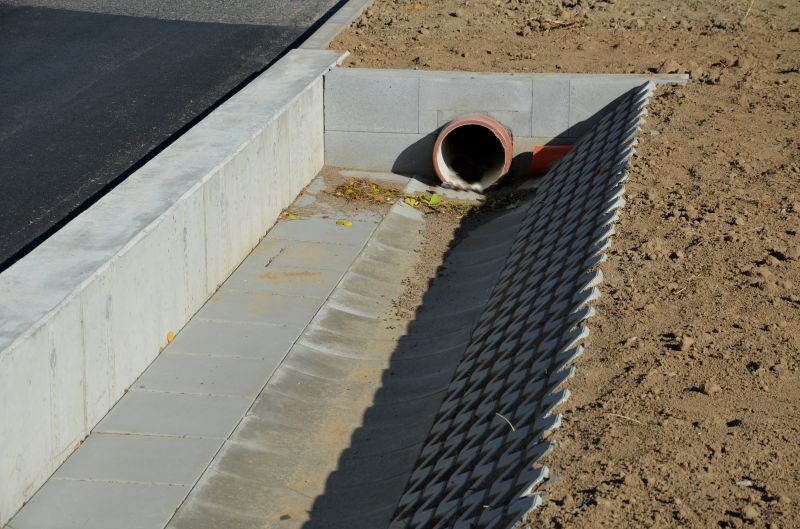
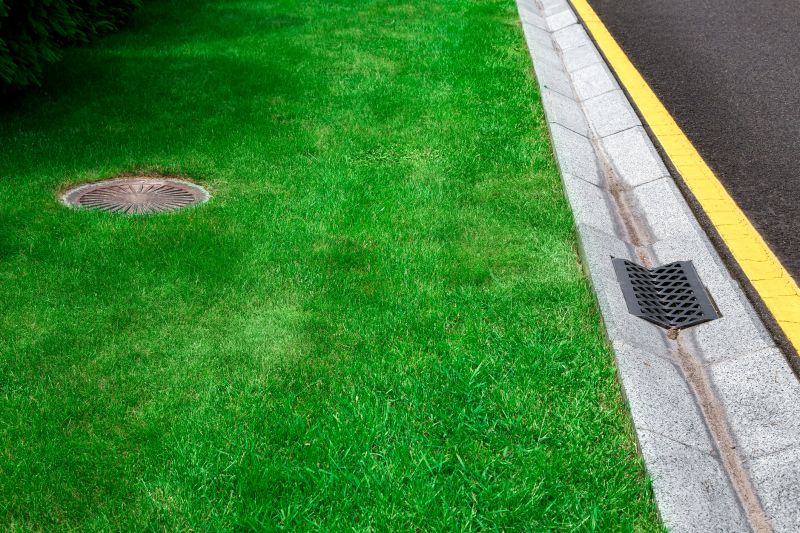
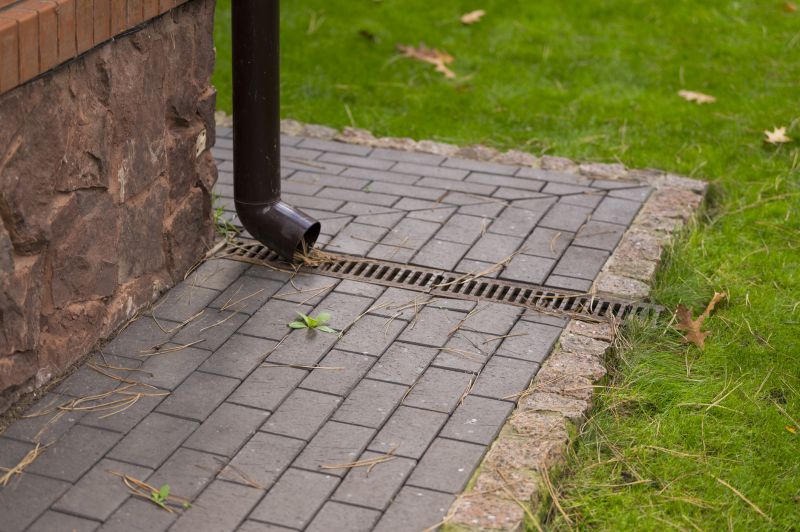
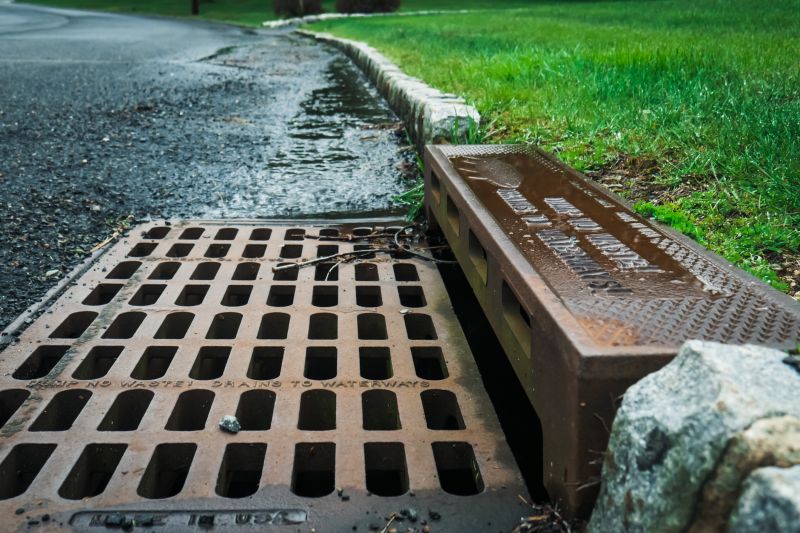
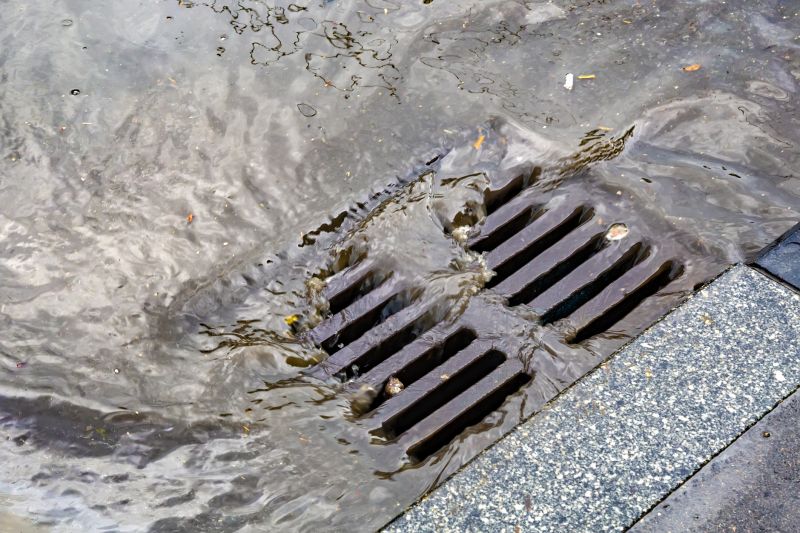
Storm water drainage services typically encompass a range of tasks aimed at managing excess rainwater and runoff to prevent flooding and property damage. Contractors in this field often handle the installation, repair, and maintenance of drainage systems such as storm sewers, catch basins, channels, and underground piping. They may also evaluate existing drainage infrastructure to identify issues and recommend solutions that improve water flow and reduce pooling or erosion on the property. Proper drainage work is essential for protecting foundations, landscaping, and infrastructure from water-related problems, making it a vital consideration for property owners in areas prone to heavy rainfall.
Defining the scope of storm water drainage work is a critical step in ensuring the project meets specific needs and expectations. Clear communication about what the work includes helps prevent misunderstandings and scope creep. Property owners should work with contractors to specify the types of drainage systems involved, the extent of repairs or installations needed, and any site-specific considerations. Documenting these details in writing provides a reference point throughout the project and helps establish a shared understanding of deliverables. Proper scope definition also facilitates more accurate comparisons between local contractors, as it ensures everyone is bidding and planning based on the same requirements.
When comparing local contractors for storm water drainage services, property owners should consider experience with similar projects, reputation within the community, and the clarity of proposals. It’s advisable to review how each contractor plans to approach the work and whether they have a thorough understanding of local drainage challenges. Asking for references or examples of completed projects can offer insight into their expertise. Additionally, ensuring that proposals include detailed descriptions of the work scope and the materials to be used helps in making informed decisions. By evaluating these aspects, property owners can select a service provider capable of addressing their drainage needs with a clear plan and professional approach.
Compare local contractors by outlining project priorities, verifying experience, and setting clear expectations in writing.
- Compare Contractors - review local service providers to find the best match for storm water drainage needs.
- Define Project Scope - clearly outline the work requirements to ensure all parties understand the expectations.
- Verify Experience - assess the background and past work of service providers to ensure competence.
- Set Expectations in Writing - document project details and agreements to prevent misunderstandings.
Clearly describe your storm water drainage project to help local contractors compare options, define scope, verify experience, and set expectations in writing.
- Evaluate the contractor’s experience with storm water drainage systems similar to the project scope. - Ensure the service provider clearly defines the work to be performed in writing.
- Compare the scope of work outlined by different local contractors to identify comprehensive coverage. - Verify that the contractor considers site-specific factors such as soil type and drainage patterns.
- Check for references or reviews that demonstrate the contractor’s ability to handle storm water drainage services effectively. - Confirm that the contractor uses appropriate materials and methods suited for local conditions.
- Discuss project expectations and deliverables upfront to ensure clarity and alignment with the service provider. - Make sure the scope includes inspections, testing, and cleanup as part of the service.
- Assess the contractor’s approach to addressing potential drainage issues and their problem-solving strategies. - Prioritize service providers who provide detailed written proposals outlining the work plan.
Compare local contractors, clarify project scope, verify experience, and set clear expectations in writing.
Use consistent comparison criteria across local contractors to accurately evaluate scope, experience, and written expectations.
- Project Scope - Clearly define the specific storm water drainage services needed to ensure contractor understanding.
- Experience Verification - Confirm that local contractors have relevant experience handling storm water drainage projects of similar scope.
- Material and Method Details - Specify preferred materials and installation methods to align expectations with service providers.
- Design and Planning - Outline any design requirements or site considerations that should be incorporated into the project scope.
- Written Agreement - Ensure all project details, responsibilities, and expectations are documented in a comprehensive written scope.
When comparing contractors for storm water drainage services, it’s important to evaluate their experience with similar projects. Seek out service providers who have a proven track record in handling drainage solutions comparable to the scope of your property. This can include projects involving yard grading, drain installation, or erosion control. Reviewing their past work or asking for examples of completed projects can provide insight into their familiarity with the specific challenges your site may present, helping to ensure that the contractor has relevant expertise.
A clear, written scope of work is essential when assessing potential service providers. A detailed description of the tasks involved, materials to be used, and the expected outcomes helps establish mutual understanding and sets expectations upfront. Service providers who can articulate their approach in writing demonstrate professionalism and transparency. Avoid contractors who are vague about the work involved or who cannot provide a comprehensive outline, as this can lead to misunderstandings later in the process.
Verification basics are key to confidently choosing a contractor for storm water drainage projects. While formal licensing and certification are not discussed here, it’s useful to verify references or reviews from previous clients. Asking for a list of completed projects similar to your own can help gauge their experience. Additionally, understanding how they plan to approach your site-such as site assessment methods or drainage system design-can serve as indicators of their capability to deliver a solution that effectively manages storm water runoff.
When evaluating options among local service providers, it’s helpful to consider their communication style and willingness to provide detailed proposals. A thorough, written plan that clearly defines the scope and the methods to be used allows for better comparison between contractors. Focus on how well each service provider understands your site’s unique needs, the specificity of their scope, and their approach to addressing potential challenges. This approach ensures that the decision-making process is based on the quality and clarity of the information provided, rather than price alone, leading to a more informed choice.
Ask contractors to provide written scope details to ensure clear expectations and consistent project understanding.
- Scope of Work - What specific services and tasks are included in the storm water drainage project?
- Experience and Expertise - How much experience do local contractors have with similar storm water drainage systems?
- Materials and Methods - What materials and installation methods do service providers plan to use for the drainage system?
- Project Expectations - How do contractors define and document the scope of work and project deliverables?
- Comparing Contractors - What criteria should be used to evaluate the qualifications and approaches of different local service providers?
How can I compare storm water drainage contractors effectively? It's important to review their experience, scope of services, and reputation. Gathering multiple quotes and checking references can help identify the most suitable service providers for your needs.
What should I include when defining the scope of storm water drainage work? Clearly outline the specific tasks, areas to be addressed, and desired outcomes. Providing detailed information ensures contractors understand your expectations and can offer accurate proposals.
How do I verify the experience of local storm water drainage contractors? Ask about their past projects, request references, and review any available portfolio or case studies. This information can help assess their familiarity with similar drainage systems.
Why is it important to get written agreements with service providers? Written agreements clarify the scope, responsibilities, and expectations for the project. They serve as a reference point and help prevent misunderstandings during the work process.
What questions should I ask potential storm water drainage contractors? Inquire about their approach to drainage solutions, experience with similar projects, and how they plan to handle unforeseen issues. Clear communication helps ensure compatibility and understanding.
How can I ensure the contractor understands my project requirements? Provide detailed descriptions of the existing drainage system, problem areas, and desired improvements. Confirm that the contractor has reviewed and acknowledged these details in writing.
Understanding the key aspects of storm water drainage services can help in making informed decisions. Visitors learned how to define the scope of work, verify the experience of service providers, and set clear expectations in writing. This approach ensures that the process of choosing a contractor is straightforward and transparent, enabling a well-informed comparison of local contractors.
To find the right storm water drainage contractor, use the quote form to easily compare options available in the area. Connecting with qualified local service providers allows for a tailored approach to meet specific project needs. Taking time to review and evaluate local contractors can lead to a more confident decision in selecting a professional suited for the job.